Vilarejo Design’s new educational brand identity for Gestaliz prioritizes structural visual clarity over decorative SaaS…
Vilarejo Design’s new educational brand identity for Gestaliz prioritizes structural visual clarity over decorative SaaS…

Vilarejo Design’s new educational brand identity for Gestaliz prioritizes structural visual clarity over decorative SaaS…
Vilarejo Design’s new educational brand identity for Gestaliz prioritizes structural visual clarity over decorative SaaS…
Delfina Hoxha is the founder of Little Language Models, an information architecture consultancy in Vienna. She has influenced big and small decisions that led to exceptional user experiences for universities, libraries, and global tech brands. Delfina writes a weekly newsletter, focused on practical techniques for improving product content.
Pronouns: she/her
What is the thing you like doing most in the world?
When I was a competitive swimmer, I broke my face. My teammates and I had arrived in Montenegro the day before, trained in the Olympic-size swimming pool, and were warming up before our races by another pool. The land warm-up consisted of shoulder rolls, lunges, jumping jacks, push-ups, and the in-water warm-up was swimming for a few hundred meters, trying different strokes and speeds, like a guitarist tuning his strings before starting his performance. I was about to dive in and start my in-water training, but my teammate grabbed my arm to stop me from jumping. These were the types of games we played. I brushed him off and dove headfirst into what was, unbeknownst to me, a shallow pool (1.5m/5ft deep).
That’s when my face moved, shifted slightly from one position to another. There was blood. I have two tiger stripes on my nose and a pointy bump that wasn’t there, and a suspicion of a nasal fracture I haven’t done anything about.
The thing I like doing most in the world, writing, continues to feel similar to that head dive in Montenegro 15 years ago. I think I know where I’m going, but the story reveals itself, rarely matching what I initially envisioned. I rarely “envision,” I write like I swim. Dive in. There may be shifts and blood. But movement always brings story, and there will always be one by the last lap. If it involves people I love and water, that’s the thing I like doing most most most.
What is the first memory you have of being creative?
Peeling an egg. Science tells me this is a fabricated memory because I was too young to remember, but the memory is there, either because of the stories I heard, the photos I saw, or a glitch in my neural system that illegally stored this memory. I wouldn’t allow anyone to peel my boiled eggs and would take hours in baby time, gently breaking the shell and removing the thin layers one by one, until the egg was perfectly bare. Every egg was different. Every peeling process presented different challenges. My caretakers were quick, but they sacrificed the structural soundness of the egg in the process, causing holes in the albumen membrane or tears because of a shell part pulled too aggressively. I found joy in unwrapping the egg like a present, showing its perfection to others like it was a piece of art. Because an egg is life and life is art.
What is your biggest regret?
I don’t have one.
How have you gotten over heartbreak?
Through the realization of its inevitability. If I love anything, and I’m not a love purist using the term only for “the one”, but one that loves people and places and objects and activities that have brought air to my life, I don’t ignore the possibility that the place will close, the person will hurt me, the activity will stop feeling special. If I love anything, I can’t deny that the air that brings me life might leave the room, suffocating me. I’ve never doubted my presence in the room. Things will hurt. I want to be there to experience it all.
What makes you cry?
I’m not picky! Movies, books, people overcoming addiction, classical music in person, animal documentaries, climax, seeing my friends happy, the airplane landing in Albania (my first home), the airplane landing in Austria (my new home), stray dogs, black pepper sometimes.
How long does the pride and joy of accomplishing something last for you?
The positive feelings associated with the accomplishment used to end once “the thing” ended, and that was tiring and unhealthy for my body. I made it a goal to extend the timeline, and things changed. I keep the next day free as a celebration. I get to relive the pride and joy when I talk to my friends and family, who make it impossible not to feel like the most special person on Earth when I tell them. I write about the thing, and get to relive it that way and also when I reread it in the distant future. This way, I’ve extended my joy battery life to a few weeks.
Do you believe in an afterlife, and if so, what does that look like to you?
Yes. Afterlife looks like another life to me, like turning into a butterfly or dust or a Guatemalan coffee bean that lives in the sun and is touched and roasted and ground and touched by hazelnuts and sweating in a vacuum-sealed bag. I don’t know what I’ll be in my another life, but I know I was something water-adjacent in my past one. Maybe a drop of water. Maybe a yellow bucket. Maybe staff at a maritime museum. Maybe a fish pen.
What do you hate most about yourself?
My impatience.
What do you love most about yourself?
That I am myself and that I am committed to being that person, even as that changes.
What is your absolute favorite meal?
Something salty near the water with someone I love.
The post What Matters to Delfina Hoxha appeared first on PRINT Magazine.
Delfina Hoxha is the founder of Little Language Models, an information architecture consultancy in Vienna. She has influenced big and small decisions that led to exceptional user experiences for universities, libraries, and global tech brands. Delfina writes a weekly newsletter, focused on practical techniques for improving product content.
Pronouns: she/her
What is the thing you like doing most in the world?
When I was a competitive swimmer, I broke my face. My teammates and I had arrived in Montenegro the day before, trained in the Olympic-size swimming pool, and were warming up before our races by another pool. The land warm-up consisted of shoulder rolls, lunges, jumping jacks, push-ups, and the in-water warm-up was swimming for a few hundred meters, trying different strokes and speeds, like a guitarist tuning his strings before starting his performance. I was about to dive in and start my in-water training, but my teammate grabbed my arm to stop me from jumping. These were the types of games we played. I brushed him off and dove headfirst into what was, unbeknownst to me, a shallow pool (1.5m/5ft deep).
That’s when my face moved, shifted slightly from one position to another. There was blood. I have two tiger stripes on my nose and a pointy bump that wasn’t there, and a suspicion of a nasal fracture I haven’t done anything about.
The thing I like doing most in the world, writing, continues to feel similar to that head dive in Montenegro 15 years ago. I think I know where I’m going, but the story reveals itself, rarely matching what I initially envisioned. I rarely “envision,” I write like I swim. Dive in. There may be shifts and blood. But movement always brings story, and there will always be one by the last lap. If it involves people I love and water, that’s the thing I like doing most most most.
What is the first memory you have of being creative?
Peeling an egg. Science tells me this is a fabricated memory because I was too young to remember, but the memory is there, either because of the stories I heard, the photos I saw, or a glitch in my neural system that illegally stored this memory. I wouldn’t allow anyone to peel my boiled eggs and would take hours in baby time, gently breaking the shell and removing the thin layers one by one, until the egg was perfectly bare. Every egg was different. Every peeling process presented different challenges. My caretakers were quick, but they sacrificed the structural soundness of the egg in the process, causing holes in the albumen membrane or tears because of a shell part pulled too aggressively. I found joy in unwrapping the egg like a present, showing its perfection to others like it was a piece of art. Because an egg is life and life is art.
What is your biggest regret?
I don’t have one.
How have you gotten over heartbreak?
Through the realization of its inevitability. If I love anything, and I’m not a love purist using the term only for “the one”, but one that loves people and places and objects and activities that have brought air to my life, I don’t ignore the possibility that the place will close, the person will hurt me, the activity will stop feeling special. If I love anything, I can’t deny that the air that brings me life might leave the room, suffocating me. I’ve never doubted my presence in the room. Things will hurt. I want to be there to experience it all.
What makes you cry?
I’m not picky! Movies, books, people overcoming addiction, classical music in person, animal documentaries, climax, seeing my friends happy, the airplane landing in Albania (my first home), the airplane landing in Austria (my new home), stray dogs, black pepper sometimes.
How long does the pride and joy of accomplishing something last for you?
The positive feelings associated with the accomplishment used to end once “the thing” ended, and that was tiring and unhealthy for my body. I made it a goal to extend the timeline, and things changed. I keep the next day free as a celebration. I get to relive the pride and joy when I talk to my friends and family, who make it impossible not to feel like the most special person on Earth when I tell them. I write about the thing, and get to relive it that way and also when I reread it in the distant future. This way, I’ve extended my joy battery life to a few weeks.
Do you believe in an afterlife, and if so, what does that look like to you?
Yes. Afterlife looks like another life to me, like turning into a butterfly or dust or a Guatemalan coffee bean that lives in the sun and is touched and roasted and ground and touched by hazelnuts and sweating in a vacuum-sealed bag. I don’t know what I’ll be in my another life, but I know I was something water-adjacent in my past one. Maybe a drop of water. Maybe a yellow bucket. Maybe staff at a maritime museum. Maybe a fish pen.
What do you hate most about yourself?
My impatience.
What do you love most about yourself?
That I am myself and that I am committed to being that person, even as that changes.
What is your absolute favorite meal?
Something salty near the water with someone I love.
The post What Matters to Delfina Hoxha appeared first on PRINT Magazine.
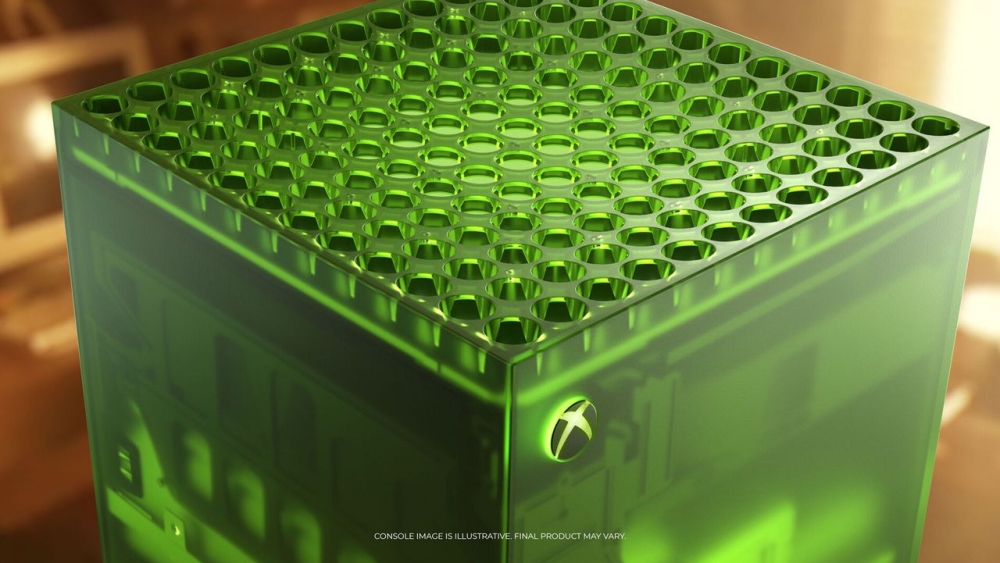
Fans’ reactions show the brand needed to bring back the emotion.
Fans’ reactions show the brand needed to bring back the emotion.
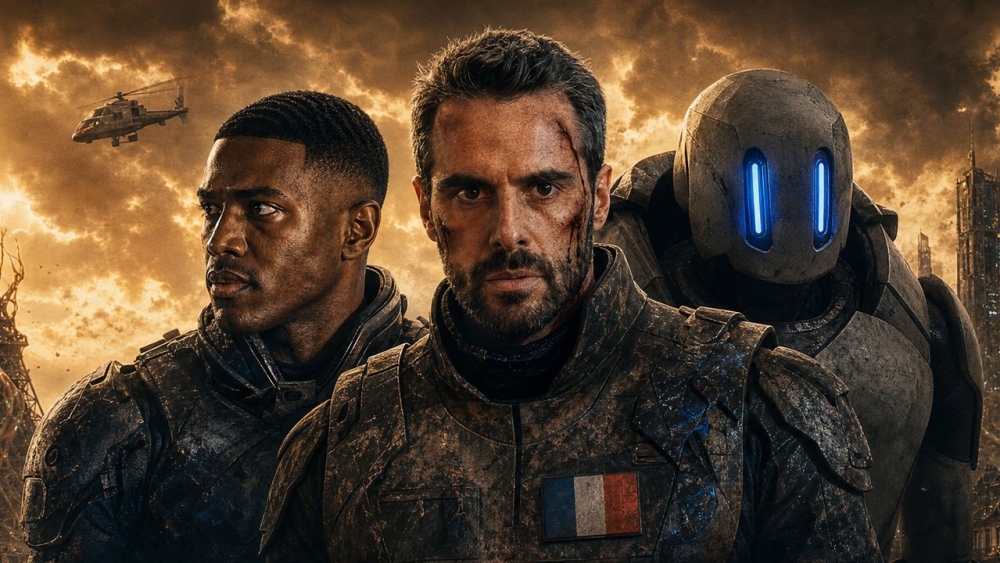
How Catacombs was made using 3,229 AI generations, 242 hours, and one filmmaker.
How Catacombs was made using 3,229 AI generations, 242 hours, and one filmmaker.
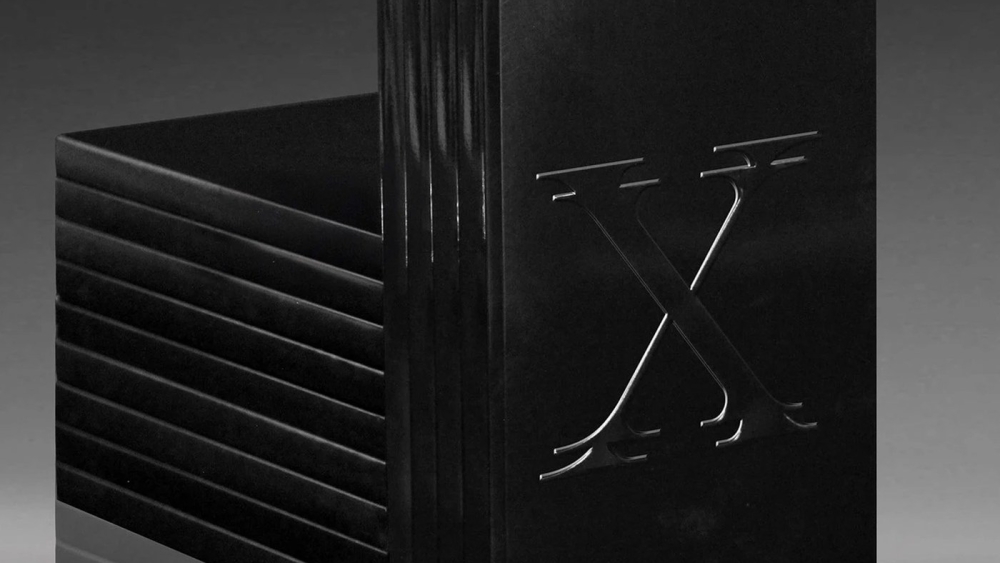
Forth+Back Studio releases Drool, a display serif typeface design inspired by H.R. Giger’s Xenomorph, showcased in a str…
Forth+Back Studio releases Drool, a display serif typeface design inspired by H.R. Giger’s Xenomorph, showcased in a str…
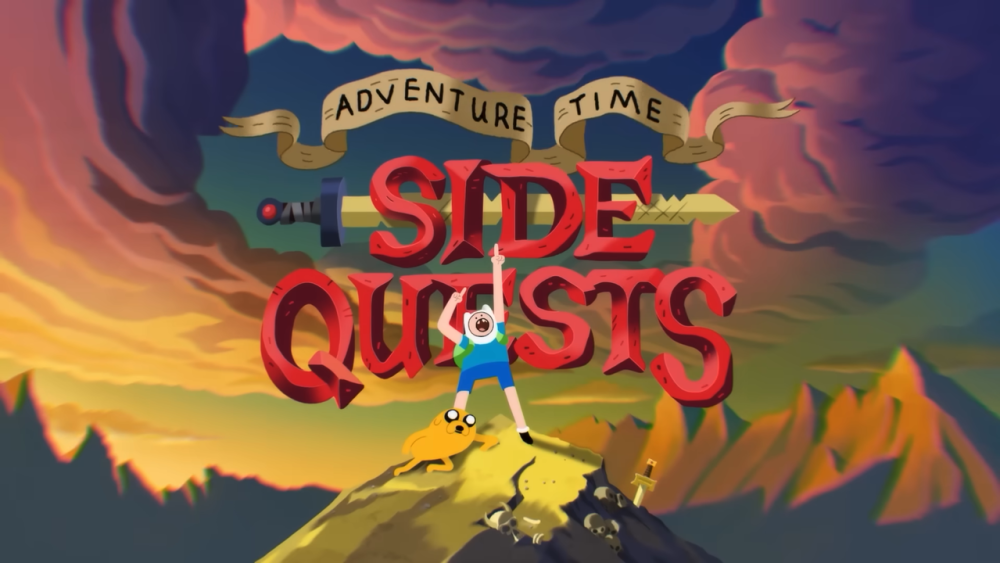
I’ll defend the divisive animation style with my life.
I’ll defend the divisive animation style with my life.
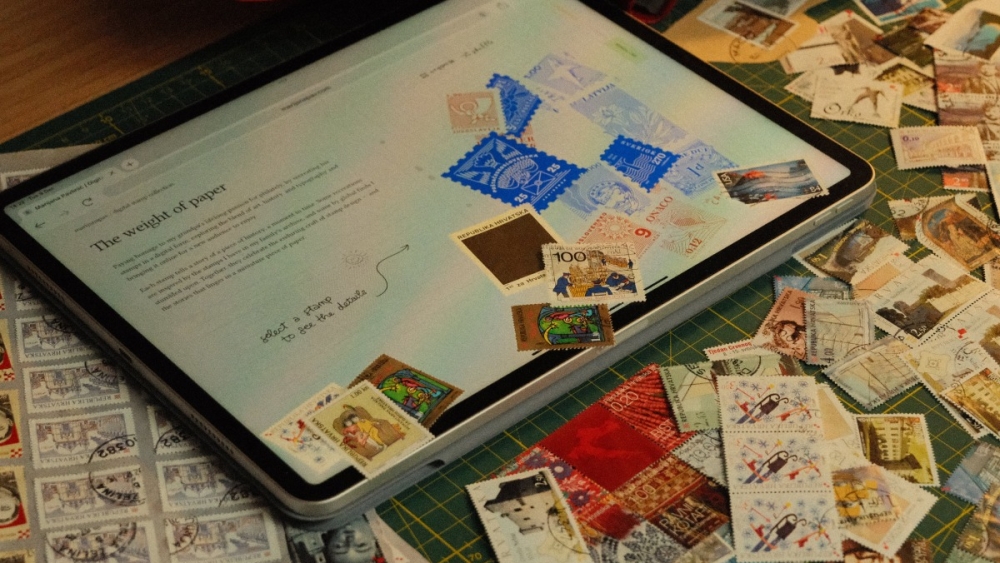
How we turned a small archive of stamp illustrations into a tactile web experience with draggable stamps, a shader-based loupe, and a postcard feedback dialog.
How we turned a small archive of stamp illustrations into a tactile web experience with draggable stamps, a shader-based loupe, and a postcard feedback dialog.
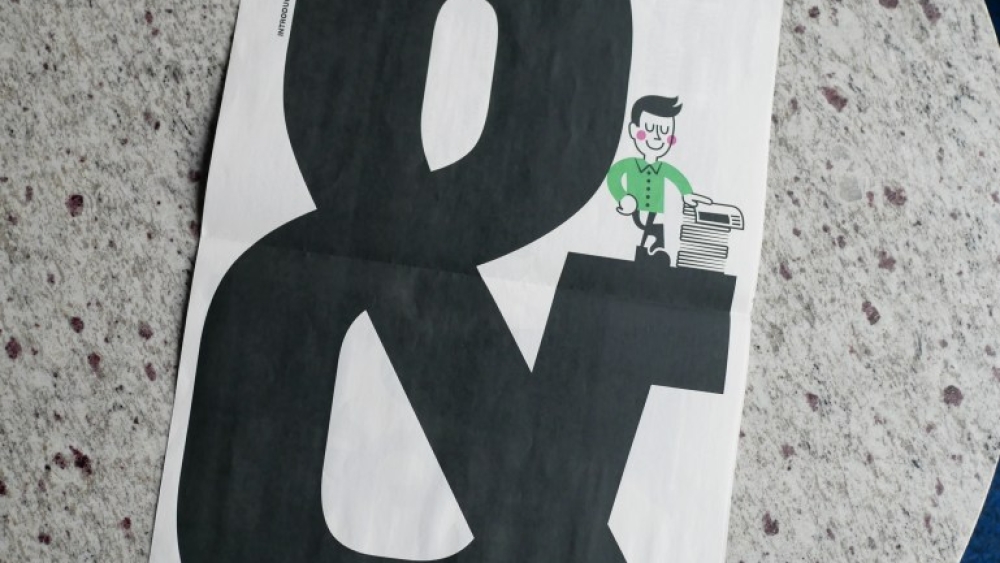
I’ve been early summer cleaning and have unearthed some old, yellowing newspapers from my folks (and, yeah, a few that were mine). I have to admit, I’ve been getting a little lost not only in the stories, but also the typography. If, like me, you’ve ever spent an afternoon happily lost in the typography of old newspapers, Newspaper Club has some good news for you. The Glasgow-based on-demand newspaper printer has teamed up with type foundry abcD8 to create a custom typeface called NC HEADLINE, a new font family inspired by the rich visual history of newspapers without getting trapped in nostalgia.
The project began where all good type stories should: in the archives. The teams dug through historic newspaper references and materials from London’s St Bride Foundation, home to one of the world’s most significant collections dedicated to printing and typographic history. Rather than simply recreating the past, they used it as a starting point.
The result is a typeface that feels familiar in the best possible way. NC HEADLINE borrows the confidence and authority of classic newspaper headlines while embracing contemporary flexibility. Designed by abcD8, the family spans a broad range of widths and weights and is built as a variable font, making it adaptable across everything from marketing materials to Newspaper Club’s own printed samples.
We wanted to develop a typeface that really drew on our newspaper heritage while remaining forward-looking and modern. We’ve worked on our design and branding with D8 for over 10 years, so the launch of abcD8 felt like perfect timing for us to develop our relationship further.
Anne Ward, CEO, Newspaper club
What makes the project particularly fitting is that Newspaper Club isn’t just another print company trying to look vintage. Since launching in 2009, the company has printed more than 40 million newspapers for everyone from independent publishers and students to brands like Adobe, Spotify, and Pentagram. Newspapers are their medium, so creating a typeface rooted in newspaper culture feels less like branding and more like a homecoming.
To celebrate the launch—and to see if the thing actually holds up in the wild—the team produced a full newspaper specimen printed in Newspaper Club’s tabloid format, along with a short film documenting the collaboration. It’s a fitting test for a typeface designed to live on newsprint, where every letter has to earn its place.
In an era when many brands seem content to grab a trendy sans serif off the shelf and call it a day, NC HEADLINE is a reminder that typography can still tell a story. In this case, it’s the story of newspapers themselves: one foot in history, the other racing toward tomorrow’s edition.
The post Stop the Presses: Newspaper Club Debuts a Custom Typeface appeared first on PRINT Magazine.
I’ve been early summer cleaning and have unearthed some old, yellowing newspapers from my folks (and, yeah, a few that were mine). I have to admit, I’ve been getting a little lost not only in the stories, but also the typography. If, like me, you’ve ever spent an afternoon happily lost in the typography of old newspapers, Newspaper Club has some good news for you. The Glasgow-based on-demand newspaper printer has teamed up with type foundry abcD8 to create a custom typeface called NC HEADLINE, a new font family inspired by the rich visual history of newspapers without getting trapped in nostalgia.
The project began where all good type stories should: in the archives. The teams dug through historic newspaper references and materials from London’s St Bride Foundation, home to one of the world’s most significant collections dedicated to printing and typographic history. Rather than simply recreating the past, they used it as a starting point.
The result is a typeface that feels familiar in the best possible way. NC HEADLINE borrows the confidence and authority of classic newspaper headlines while embracing contemporary flexibility. Designed by abcD8, the family spans a broad range of widths and weights and is built as a variable font, making it adaptable across everything from marketing materials to Newspaper Club’s own printed samples.
We wanted to develop a typeface that really drew on our newspaper heritage while remaining forward-looking and modern. We’ve worked on our design and branding with D8 for over 10 years, so the launch of abcD8 felt like perfect timing for us to develop our relationship further.
Anne Ward, CEO, Newspaper club
What makes the project particularly fitting is that Newspaper Club isn’t just another print company trying to look vintage. Since launching in 2009, the company has printed more than 40 million newspapers for everyone from independent publishers and students to brands like Adobe, Spotify, and Pentagram. Newspapers are their medium, so creating a typeface rooted in newspaper culture feels less like branding and more like a homecoming.
To celebrate the launch—and to see if the thing actually holds up in the wild—the team produced a full newspaper specimen printed in Newspaper Club’s tabloid format, along with a short film documenting the collaboration. It’s a fitting test for a typeface designed to live on newsprint, where every letter has to earn its place.
In an era when many brands seem content to grab a trendy sans serif off the shelf and call it a day, NC HEADLINE is a reminder that typography can still tell a story. In this case, it’s the story of newspapers themselves: one foot in history, the other racing toward tomorrow’s edition.
The post Stop the Presses: Newspaper Club Debuts a Custom Typeface appeared first on PRINT Magazine.
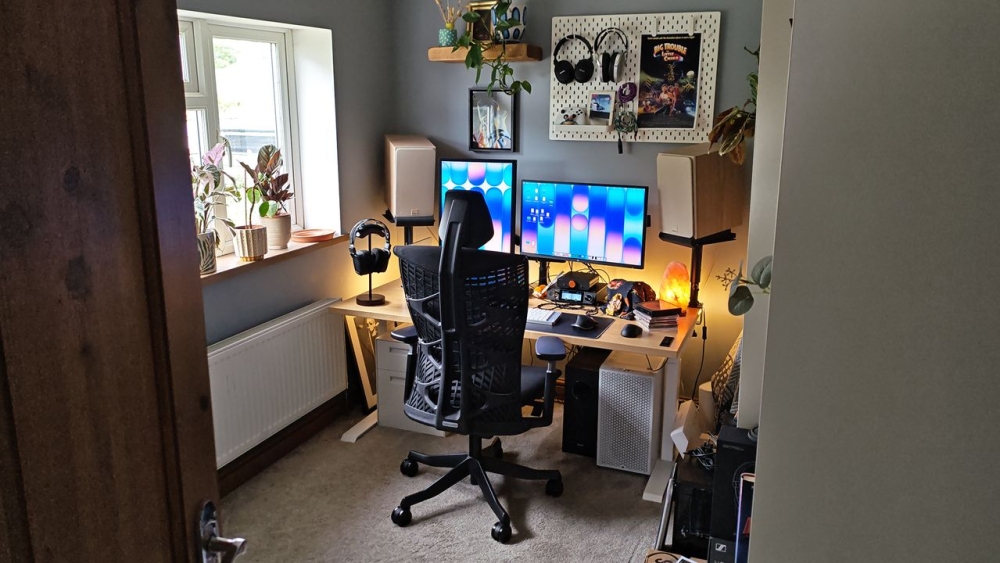
The Autonomous ErgoChair Ultra 2 offers striking looks and excellent arm rests, but its over-engineered back doesn’t fully deliver.
The Autonomous ErgoChair Ultra 2 offers striking looks and excellent arm rests, but its over-engineered back doesn’t fully deliver.
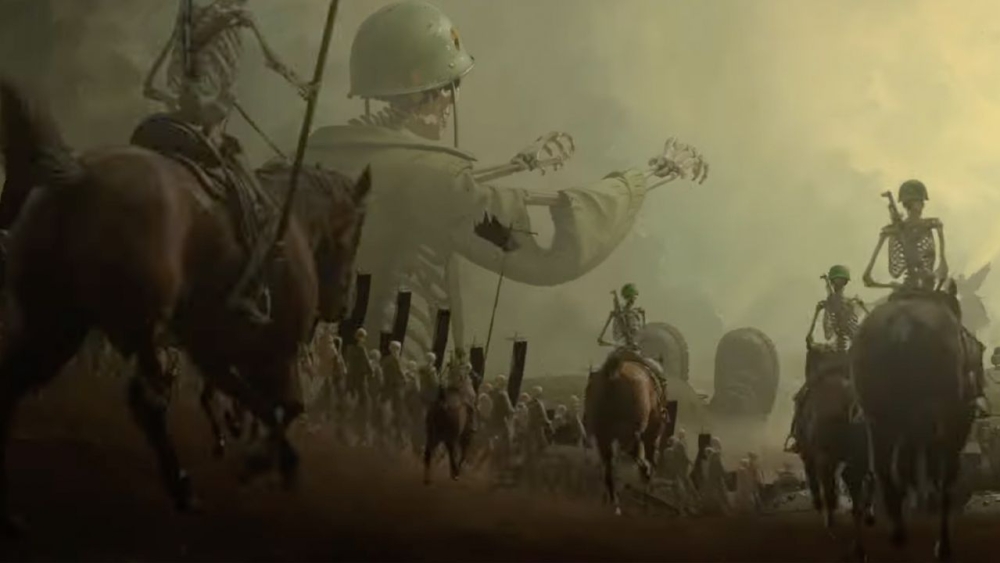
The unusual process behind the most talked-about animation, Danse Macabre.
The unusual process behind the most talked-about animation, Danse Macabre.