More than Sega nostalgia.
More than Sega nostalgia.

More than Sega nostalgia.
More than Sega nostalgia.
El proyecto Diseño y Diáspora impulsado por Mariana Salgado ha superado los 700 episodios y se ha consolidado como uno de los mayores repositorios orales sobre diseño para el cambio social en castellano, con una lista específica dedicada al diseño gráfico. En un ecosistema del diseño todavía muy condicionado por los relatos construidos desde el […]
El proyecto Diseño y Diáspora impulsado por Mariana Salgado ha superado los 700 episodios y se ha consolidado como uno de los mayores repositorios orales sobre diseño para el cambio social en castellano, con una lista específica dedicada al diseño gráfico. En un ecosistema del diseño todavía muy condicionado por los relatos construidos desde el

Hay una forma sencilla de exagerar la inteligencia artificial: hablar solo de modelos. Y hay una forma más útil de entenderla: mirar qué países tienen…
Hay una forma sencilla de exagerar la inteligencia artificial: hablar solo de modelos. Y hay una forma más útil de entenderla: mirar qué países tienen…
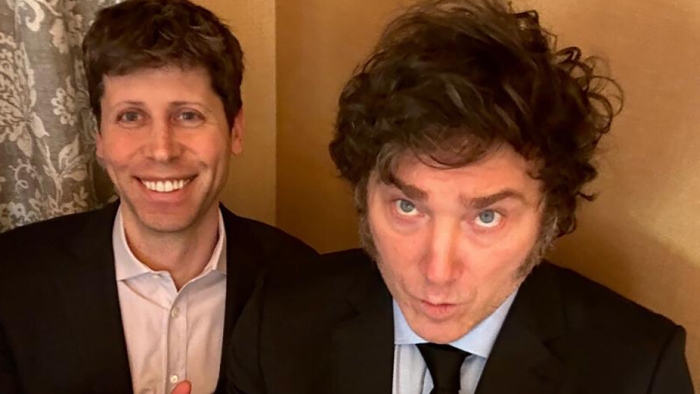
La inteligencia artificial ha dejado de ser una promesa lejana para convertirse en una fuerza que ya está reordenando empresas, infraestructuras, empleos,…
La inteligencia artificial ha dejado de ser una promesa lejana para convertirse en una fuerza que ya está reordenando empresas, infraestructuras, empleos,…

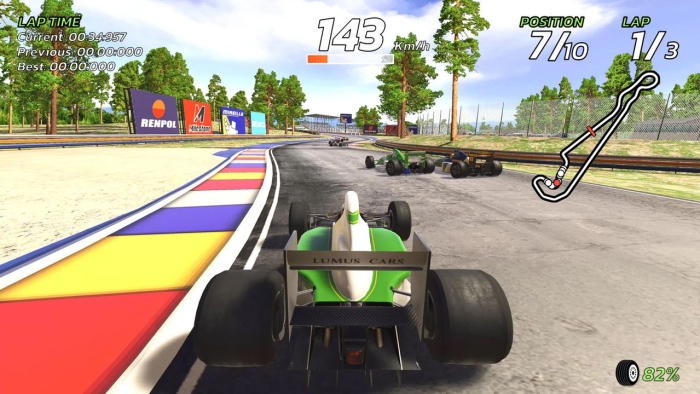
The Buzz, Jessie and Woody cars are stunningly detailed and a joy to explore.
The Buzz, Jessie and Woody cars are stunningly detailed and a joy to explore.
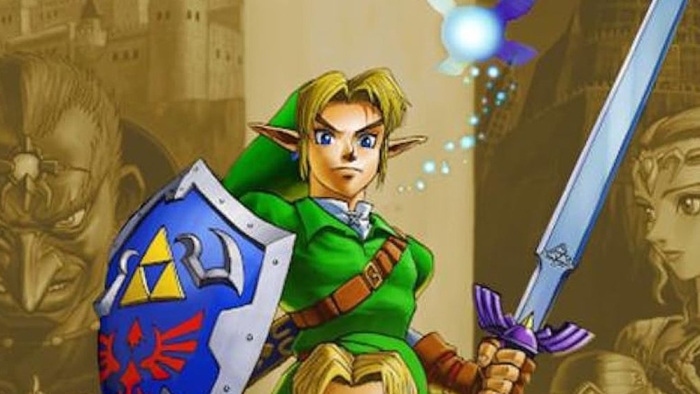
Has Nintendo «hired this man» for an Unreal Engine 5 reimagining?
Has Nintendo «hired this man» for an Unreal Engine 5 reimagining?
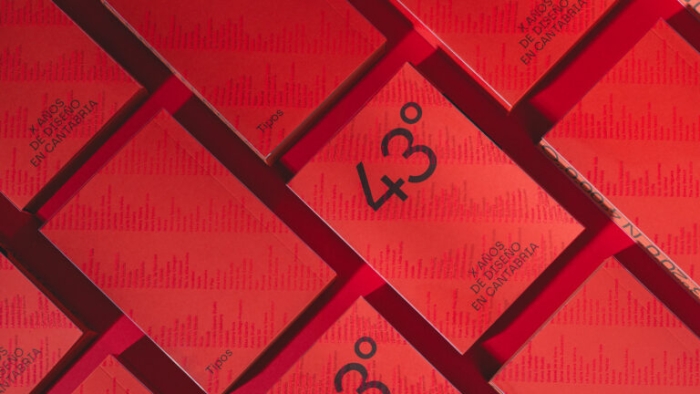
El diseño gráfico cántabro tiene desde ahora su propio mapa editorial. 43º es un libro impulsado y editado por Tipos que recopila más de 100 proyectos desarrollados por 43 estudios y diseñadores de Cantabria durante la última década. Una publicación concebida como archivo visual, ejercicio de memoria y reivindicación colectiva de una escena creativa que […]
El diseño gráfico cántabro tiene desde ahora su propio mapa editorial. 43º es un libro impulsado y editado por Tipos que recopila más de 100 proyectos desarrollados por 43 estudios y diseñadores de Cantabria durante la última década. Una publicación concebida como archivo visual, ejercicio de memoria y reivindicación colectiva de una escena creativa que

Vilarejo Design’s new educational brand identity for Gestaliz prioritizes structural visual clarity over decorative SaaS…
Vilarejo Design’s new educational brand identity for Gestaliz prioritizes structural visual clarity over decorative SaaS…
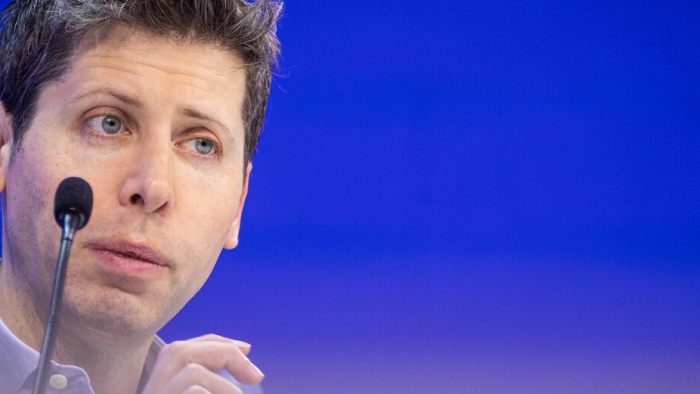
Declaraciones internas citadas en The Financial Times revelan cómo en OpenAI están preparando el que podría ser el mayor cambio para ChatGPT desde su…
Declaraciones internas citadas en The Financial Times revelan cómo en OpenAI están preparando el que podría ser el mayor cambio para ChatGPT desde su…
Delfina Hoxha is the founder of Little Language Models, an information architecture consultancy in Vienna. She has influenced big and small decisions that led to exceptional user experiences for universities, libraries, and global tech brands. Delfina writes a weekly newsletter, focused on practical techniques for improving product content.
Pronouns: she/her
What is the thing you like doing most in the world?
When I was a competitive swimmer, I broke my face. My teammates and I had arrived in Montenegro the day before, trained in the Olympic-size swimming pool, and were warming up before our races by another pool. The land warm-up consisted of shoulder rolls, lunges, jumping jacks, push-ups, and the in-water warm-up was swimming for a few hundred meters, trying different strokes and speeds, like a guitarist tuning his strings before starting his performance. I was about to dive in and start my in-water training, but my teammate grabbed my arm to stop me from jumping. These were the types of games we played. I brushed him off and dove headfirst into what was, unbeknownst to me, a shallow pool (1.5m/5ft deep).
That’s when my face moved, shifted slightly from one position to another. There was blood. I have two tiger stripes on my nose and a pointy bump that wasn’t there, and a suspicion of a nasal fracture I haven’t done anything about.
The thing I like doing most in the world, writing, continues to feel similar to that head dive in Montenegro 15 years ago. I think I know where I’m going, but the story reveals itself, rarely matching what I initially envisioned. I rarely “envision,” I write like I swim. Dive in. There may be shifts and blood. But movement always brings story, and there will always be one by the last lap. If it involves people I love and water, that’s the thing I like doing most most most.
What is the first memory you have of being creative?
Peeling an egg. Science tells me this is a fabricated memory because I was too young to remember, but the memory is there, either because of the stories I heard, the photos I saw, or a glitch in my neural system that illegally stored this memory. I wouldn’t allow anyone to peel my boiled eggs and would take hours in baby time, gently breaking the shell and removing the thin layers one by one, until the egg was perfectly bare. Every egg was different. Every peeling process presented different challenges. My caretakers were quick, but they sacrificed the structural soundness of the egg in the process, causing holes in the albumen membrane or tears because of a shell part pulled too aggressively. I found joy in unwrapping the egg like a present, showing its perfection to others like it was a piece of art. Because an egg is life and life is art.
What is your biggest regret?
I don’t have one.
How have you gotten over heartbreak?
Through the realization of its inevitability. If I love anything, and I’m not a love purist using the term only for “the one”, but one that loves people and places and objects and activities that have brought air to my life, I don’t ignore the possibility that the place will close, the person will hurt me, the activity will stop feeling special. If I love anything, I can’t deny that the air that brings me life might leave the room, suffocating me. I’ve never doubted my presence in the room. Things will hurt. I want to be there to experience it all.
What makes you cry?
I’m not picky! Movies, books, people overcoming addiction, classical music in person, animal documentaries, climax, seeing my friends happy, the airplane landing in Albania (my first home), the airplane landing in Austria (my new home), stray dogs, black pepper sometimes.
How long does the pride and joy of accomplishing something last for you?
The positive feelings associated with the accomplishment used to end once “the thing” ended, and that was tiring and unhealthy for my body. I made it a goal to extend the timeline, and things changed. I keep the next day free as a celebration. I get to relive the pride and joy when I talk to my friends and family, who make it impossible not to feel like the most special person on Earth when I tell them. I write about the thing, and get to relive it that way and also when I reread it in the distant future. This way, I’ve extended my joy battery life to a few weeks.
Do you believe in an afterlife, and if so, what does that look like to you?
Yes. Afterlife looks like another life to me, like turning into a butterfly or dust or a Guatemalan coffee bean that lives in the sun and is touched and roasted and ground and touched by hazelnuts and sweating in a vacuum-sealed bag. I don’t know what I’ll be in my another life, but I know I was something water-adjacent in my past one. Maybe a drop of water. Maybe a yellow bucket. Maybe staff at a maritime museum. Maybe a fish pen.
What do you hate most about yourself?
My impatience.
What do you love most about yourself?
That I am myself and that I am committed to being that person, even as that changes.
What is your absolute favorite meal?
Something salty near the water with someone I love.
The post What Matters to Delfina Hoxha appeared first on PRINT Magazine.
Delfina Hoxha is the founder of Little Language Models, an information architecture consultancy in Vienna. She has influenced big and small decisions that led to exceptional user experiences for universities, libraries, and global tech brands. Delfina writes a weekly newsletter, focused on practical techniques for improving product content.
Pronouns: she/her
What is the thing you like doing most in the world?
When I was a competitive swimmer, I broke my face. My teammates and I had arrived in Montenegro the day before, trained in the Olympic-size swimming pool, and were warming up before our races by another pool. The land warm-up consisted of shoulder rolls, lunges, jumping jacks, push-ups, and the in-water warm-up was swimming for a few hundred meters, trying different strokes and speeds, like a guitarist tuning his strings before starting his performance. I was about to dive in and start my in-water training, but my teammate grabbed my arm to stop me from jumping. These were the types of games we played. I brushed him off and dove headfirst into what was, unbeknownst to me, a shallow pool (1.5m/5ft deep).
That’s when my face moved, shifted slightly from one position to another. There was blood. I have two tiger stripes on my nose and a pointy bump that wasn’t there, and a suspicion of a nasal fracture I haven’t done anything about.
The thing I like doing most in the world, writing, continues to feel similar to that head dive in Montenegro 15 years ago. I think I know where I’m going, but the story reveals itself, rarely matching what I initially envisioned. I rarely “envision,” I write like I swim. Dive in. There may be shifts and blood. But movement always brings story, and there will always be one by the last lap. If it involves people I love and water, that’s the thing I like doing most most most.
What is the first memory you have of being creative?
Peeling an egg. Science tells me this is a fabricated memory because I was too young to remember, but the memory is there, either because of the stories I heard, the photos I saw, or a glitch in my neural system that illegally stored this memory. I wouldn’t allow anyone to peel my boiled eggs and would take hours in baby time, gently breaking the shell and removing the thin layers one by one, until the egg was perfectly bare. Every egg was different. Every peeling process presented different challenges. My caretakers were quick, but they sacrificed the structural soundness of the egg in the process, causing holes in the albumen membrane or tears because of a shell part pulled too aggressively. I found joy in unwrapping the egg like a present, showing its perfection to others like it was a piece of art. Because an egg is life and life is art.
What is your biggest regret?
I don’t have one.
How have you gotten over heartbreak?
Through the realization of its inevitability. If I love anything, and I’m not a love purist using the term only for “the one”, but one that loves people and places and objects and activities that have brought air to my life, I don’t ignore the possibility that the place will close, the person will hurt me, the activity will stop feeling special. If I love anything, I can’t deny that the air that brings me life might leave the room, suffocating me. I’ve never doubted my presence in the room. Things will hurt. I want to be there to experience it all.
What makes you cry?
I’m not picky! Movies, books, people overcoming addiction, classical music in person, animal documentaries, climax, seeing my friends happy, the airplane landing in Albania (my first home), the airplane landing in Austria (my new home), stray dogs, black pepper sometimes.
How long does the pride and joy of accomplishing something last for you?
The positive feelings associated with the accomplishment used to end once “the thing” ended, and that was tiring and unhealthy for my body. I made it a goal to extend the timeline, and things changed. I keep the next day free as a celebration. I get to relive the pride and joy when I talk to my friends and family, who make it impossible not to feel like the most special person on Earth when I tell them. I write about the thing, and get to relive it that way and also when I reread it in the distant future. This way, I’ve extended my joy battery life to a few weeks.
Do you believe in an afterlife, and if so, what does that look like to you?
Yes. Afterlife looks like another life to me, like turning into a butterfly or dust or a Guatemalan coffee bean that lives in the sun and is touched and roasted and ground and touched by hazelnuts and sweating in a vacuum-sealed bag. I don’t know what I’ll be in my another life, but I know I was something water-adjacent in my past one. Maybe a drop of water. Maybe a yellow bucket. Maybe staff at a maritime museum. Maybe a fish pen.
What do you hate most about yourself?
My impatience.
What do you love most about yourself?
That I am myself and that I am committed to being that person, even as that changes.
What is your absolute favorite meal?
Something salty near the water with someone I love.
The post What Matters to Delfina Hoxha appeared first on PRINT Magazine.